

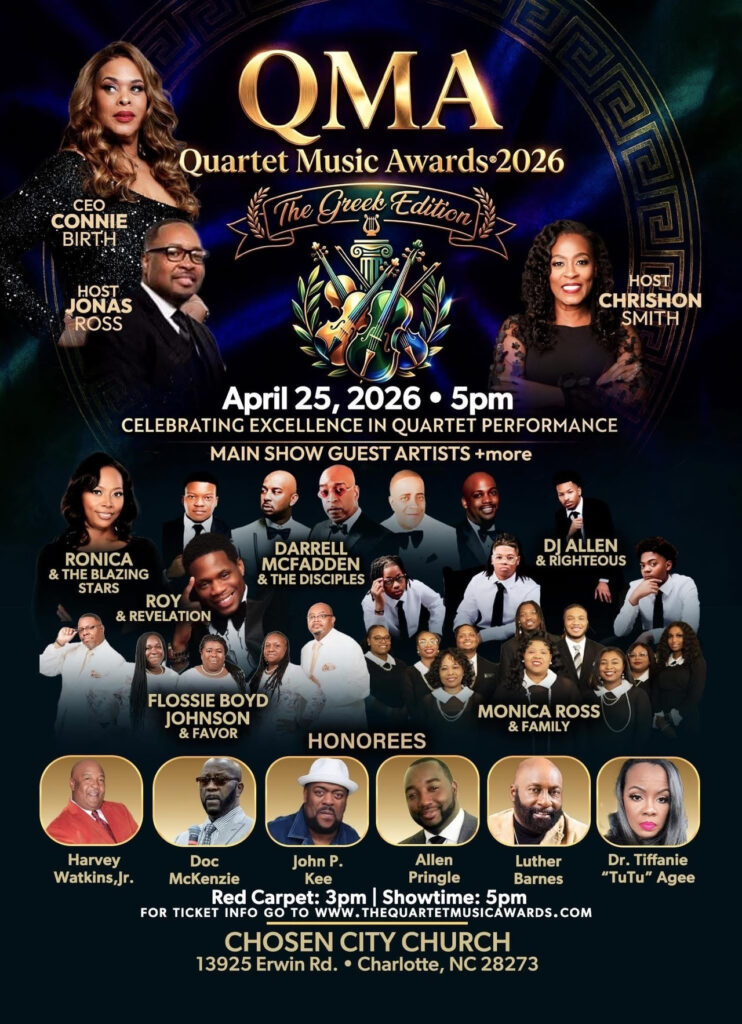
Charlotte is set to become the center of a gospel celebration as the Quartet Music Awards® (QMA®) returns for its 4th annual awards show on Saturday, April 25, 2026. Known for bringing together some of the most powerful voices in quartet gospel, the event will welcome fans, artists, and industry leaders for a weekend filled with dynamic performances and well-deserved recognition. More than just an awards show, the event founded by Connie Birth promises to be an experience that highlights a genre deeply rooted in the church, continues to expand its reach to new audiences, and shines a spotlight on a new generation of artists.
In anticipation of this week’s events, Derrrick Bridges and Jeff Galmer share a few insights into the evolution of quartet music, the vision behind the awards, and what attendees can expect from this year’s highly anticipated event.
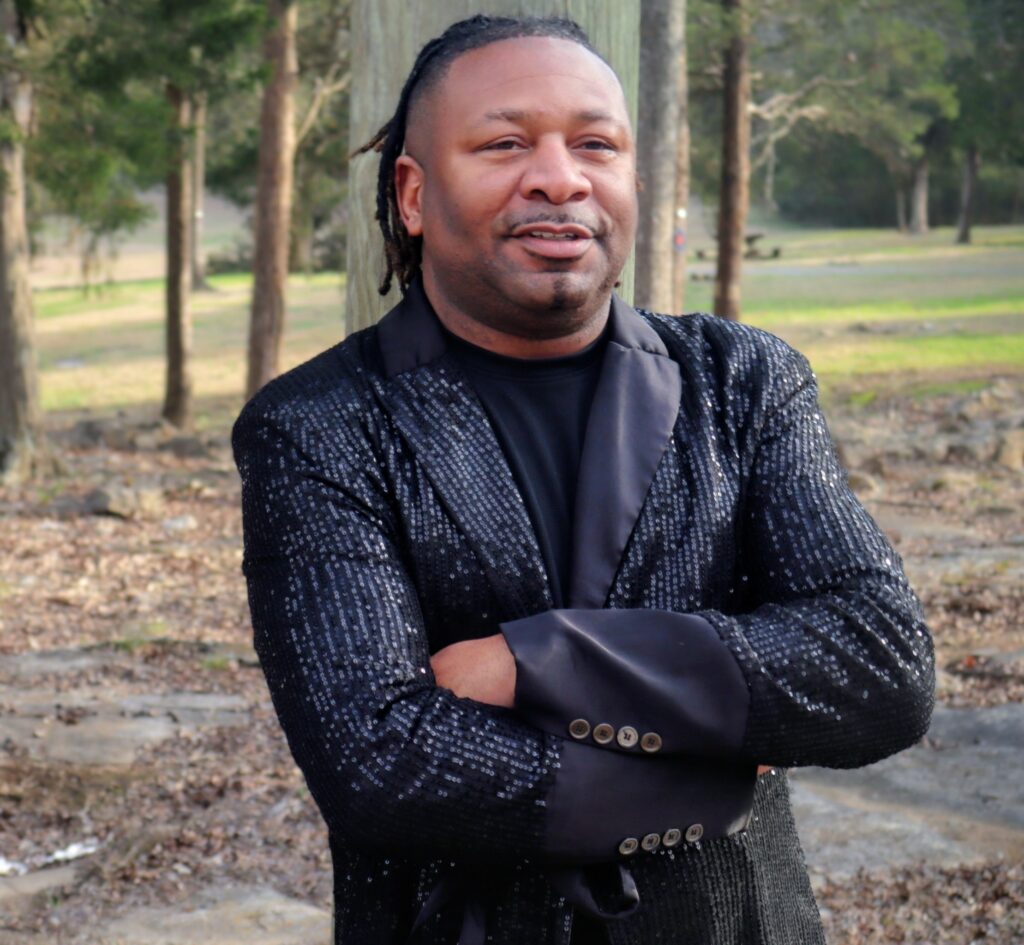
Q: How are the Quartet Music Awards different from other award shows?
A: The Quartet Music Awards were created by individuals deeply rooted in traditional gospel quartet music. Unlike other shows that may focus heavily on commercial gain, this platform is about honoring the culture and the people who built it. It’s about preserving the legacy while also recognizing growth in the genre.
Q: Quartet music has a long history. How do you think it has evolved over time?
A: It has evolved in many ways. We now have what we call a “new wave” of quartet music. It brings a fresh sound and style, but it’s still built on the foundation laid by legends like Lee Williams and The Canton Spirituals. That foundation is what allows today’s sound to grow and elevate. Social media has also played a huge role. Artists from all over the world can now share their music instantly, which helps the genre expand even faster.
Q: How is quartet music reaching younger audiences today? Are there challenges?
A: I don’t really see it as a challenge. What you expose young people to is what they grow to love. Many young artists in quartet music today grew up in it. Also, younger audiences are connecting because they now see artists their own age performing. That relatability matters. Plus, social platforms like YouTube and Facebook are helping bridge gaps; people from different backgrounds and cultures are singing the same songs. It’s bringing people together.

Q: Do you think quartet music helps bridge cultural and racial divides? How is that being sustained?
A: Absolutely. Quartet music transcends race and denomination. One way we’re preserving that culture is through initiatives like the Quartet Music Awards themselves. We’re also working on building a foundation to ensure longevity. For example, we honor past contributors by naming awards after pioneers like Roy Wooten, an internationally known promoter. It’s about celebrating today while keeping the legacy alive and making sure those names are never forgotten.
Q: What defines “real” quartet music today?
A: Real quartet music is something that grabs your attention—not just with the beat, but with the message. Today’s production styles may include more instrumentation and modern sounds, but the heart of it is still in the lyrics. People have gone through more, so there’s more depth in what’s being written. The words are what truly connect and reach people.
Q: What can fans expect from this year’s Quartet Music Awards?
A: This is our fourth year, and fans can expect a wide variety of performances. We’ll have artists from Mississippi, Tennessee, Louisiana, North Carolina, and more. There’s also a newer element, what we call the “choir scene,” where a lead singer is backed by a full choir instead of just a few background vocalists. The beauty of this event is that you never know what you’re going to get.
Q: There’s also a themed “Greek Night.” Can you tell us about that?
A: Yes, the Greek theme is part of the weekend experience. Attendees can dress inspired by Greek gods and goddesses, or even represent Divine Nine-style college organizations. It’s something new for us; we’re stepping outside the box and making the event even more engaging.
Q: For someone new to quartet music, what artists or songs would you recommend before attending?
A: There are so many great artists. Some to check out include Roy and the Revelation, The New Converted Voices of Tupelo, The Stars of North Carolina, and Souls of Creation. Bishop J. Spurlock also has a new single out. But honestly, the best introduction is the experience itself. If you’ve never been to an event like this, you’re going to have an amazing time.
Q: What would you like readers to know as a final takeaway?
A: Our goal is unity. We believe we are better together. Quartet music is gaining recognition like never before, and we want to keep that momentum going. If we continue to support one another and work together, we can sustain and grow this genre for generations to come.
Q: How can people get more information or reach out with questions?
A: You can find me on Facebook and send a direct message. We also have official Quartet Music Awards pages on Facebook and Instagram, along with a website for more details.
Q: Any final highlights about the event weekend?
A: Yes! We’re introducing a Tiny Desk-style concert featuring Roy and Revelation, which is brand new this year. We’re also blending genres with a Southern Soul after-party concert on Saturday. It’s going to be a full weekend of music, culture, and celebration.
The Quartet Music takes place Friday, April 25, 2026, at Chosen City Church, 13925 Erwin Road, Charlotte, N.C. For tickets, visit www.the quartetmusicwards.com